Free calculator
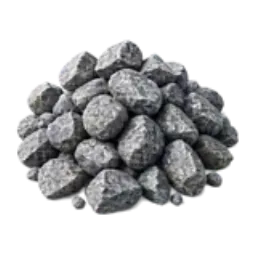
Crushed Stone Calculator
Use this crushed stone calculator to turn length, width, depth, a compaction allowance, waste, and density into cubic feet, cubic yards, tons, and a cost placeholder. It is built for planning angular gravel orders for driveway base, paver base, and drainage before you call a supplier.
Open calculatorEstimatePlanning estimate only; not a structural, drainage, or code-compliance calculation. Local conditions and supplier density vary. Consult a professional for structural or safety questions.
Project inputs
Estimate
2.3 cubic yards of crushed stone
A 200 sq ft area at 3 inches deep needs about 2.3 cubic yards, or 3.45 tons, of crushed stone after compaction and waste.
Order and transport check
Supplier basis2.3 cu yd · 3.45 tons
Bagged optionUse supplier package yield and round to whole units
Pickup or deliveryConfirm vehicle payload, supplier minimums, moisture, and delivery access before ordering.
Printable material list
Estimate- Crushed stone2.3 cu yd15% compaction and 8% waste included
- Typical bulk cost$57–$150regional planning range; edit the price field for a local rate
- Delivery vs DIY haulAbout 7 pickup loads, so book a deliveryroughly 21 wheelbarrow loads to move it; heavy material, so confirm your truck's payload before hauling
- Crushed stone by weight3.45 tons1.5 tons/cu yd density
- Cost at your price$126.50at $55/cu yd — edit the price field
- Compacted base1 layercompact in lifts for a firm base
Estimate only. Stone size, subgrade, drainage, and compaction change how much you need and how it performs.
EstimatePlanning estimate only; not a structural, drainage, or code-compliance calculation. Local conditions and supplier density vary. Consult a professional for structural or safety questions.
Assumptions
- Default compacted depth is 3 inches; loose stone settles when packed.
- Default density is 1.50 tons per cubic yard for planning.
- Cubic yards equal cubic feet divided by 27, then waste is added.
- Compaction allowance increases the loose volume you actually order.
Calculation details
- Area = length x width.
- Cubic feet = area x depth in feet.
- Compaction allowance is added before waste.
- Cubic yards = cubic feet / 27; tons = cubic yards x density.
Calculator guideDepth, measuring, formulas, and common mistakes6 practical sections for this material
What this crushed stone calculator does
Crushed stone is angular, machine-broken rock that locks together when packed, unlike rounded pea gravel. This calculator takes your measured area, depth, density, compaction allowance, and waste, then converts the same volume into cubic feet, cubic yards, tons, and a simple cost placeholder. It keeps loose and compacted figures honest so the number you order matches what stays in place after the plate compactor passes.
The tool fits driveway base, paver and patio base, shed pads, French-drain trenches, and large fill where a graded angular stone is specified. It does not decide whether a base is thick enough for traffic or whether drainage is adequate. It turns a measured footprint into a practical shopping list with every assumption shown so you can sanity-check it against a supplier ticket.
How deep and which stone size
Depth drives the order more than anything else. A common planning depth for a residential driveway base layer is 3 to 4 inches of compacted crusher run, often over a deeper sub-base. Paver base is frequently planned around 4 to 6 inches. Measure the finished compacted depth you want, not the loose pile height, because angular stone settles noticeably once it is packed and watered.
Stone size matters too. Open #57 stone drains well and is common for trenches and under pipe. Crusher run, often called #411, mixes stone and fines so it compacts into a firm driveway surface or paver base. Larger #4 stone suits deep fill and soft ground. Match the size to the job before you trust any volume figure.
Formula used
The calculator multiplies length by width to get square feet, then multiplies by depth in feet to get cubic feet. Cubic yards equal cubic feet divided by 27. Tons equal cubic yards multiplied by the density you enter, defaulting to 1.50 tons per cubic yard. A 100 sq ft area at 4 inches is about 33.3 cubic feet, or roughly 1.23 cubic yards, before any allowances are applied.
Two extra factors lift the order above the bare volume. The compaction allowance accounts for loose stone settling as it packs, so you buy enough to reach the finished depth. The waste percentage covers edge loss, uneven subgrade, and low spots. Both are added on top, and tons are rounded for ordering since suppliers sell by weight or full yards.
When crushed stone is the right material
Reach for crushed stone when a project needs an angular aggregate that locks up and either carries load or moves water: a compacted base under pavers, a slab, or a shed pad; backfill behind a retaining wall; a French drain or trench around perforated pipe; or firm fill over soft ground. The sharp, broken faces knit together under a plate compactor, which is exactly why rounded decorative gravel cannot do the same structural job.
Match the page to the intent. If you are building a whole vehicle driveway in stacked layers, the gravel driveway calculator plans the combined sub-base, base, and top course as one order. If you want a loose, comfortable walking surface for a path or patio, pea gravel stays rounded and smooth instead. This page sizes the angular base or drainage stone itself, by stone size, compacted depth, and density.
Common mistakes
The most common mistake is ordering for loose depth and coming up short after compaction. Angular stone with fines can lose a meaningful fraction of its loose height once packed, so a zero compaction allowance leaves a thin, soft base. The second mistake is confusing crushed stone with pea gravel; rounded gravel will not lock up the same way and is a poor compacted base.
Another error is using a single average depth on sloped or rutted ground, which hides deep low spots that swallow extra stone. Skipping waste on irregular driveways causes a second trip for heavy material. When the order sits near a delivery threshold, recheck depth and density before buying rather than after the truck has already dumped the load.
Before you order
Bring your area dimensions, target compacted depth, chosen stone size, and the printed estimate to the supplier. Ask which density and which unit, yards or tons, their price uses, and confirm whether your driveway needs a separate deeper sub-base, geotextile fabric, or edge restraint that sits outside this volume figure.
Confirm delivery access and a clear dump spot before scheduling a heavy load, since a full truck cannot always reach a back yard. Treat the cost placeholder as your own entered number for comparison only, never as a quote, and verify the final price and material size directly with the yard before you pay.
Common crushed stone sizes and typical uses
| Size | Description | Typical use |
|---|---|---|
| #57 | Open, washed stone about 3/4 inch | Drainage, French drains, under-pipe bedding |
| #411 / crusher run | Stone blended with fines, compacts firm | Driveway base, paver and patio base |
| #4 | Larger stone about 1.5 inches | Deep fill, soft ground, heavy sub-base |
Coverage from one cubic yard equals 324 divided by depth in inches; at 3 inches that is about 108 sq ft, and at 4 inches about 81 sq ft, before compaction and waste.
Crushed Stone Calculator FAQ
How many tons of crushed stone are in a cubic yard?
Around 1.4 to 1.5 tons per cubic yard is a common planning range, and this calculator defaults to 1.50. Density shifts with stone size, fines, and moisture, so use your supplier's conversion when it is listed.
What depth of crushed stone do I need for a driveway?
A 3 to 4 inch compacted base layer is a common residential planning depth, often over a deeper sub-base. Measure finished compacted depth, not loose height, and confirm requirements for your soil and traffic locally.
What is the difference between #57 stone and crusher run?
Open #57 is uniform stone that drains well and does not compact tightly, good for trenches and drainage. Crusher run, or #411, includes fines that pack into a firm driveway or paver base surface.
Why does the calculator add a compaction allowance?
Loose angular stone settles when packed and watered, so the loose volume you order must exceed the finished compacted volume. The allowance adds that difference so your base reaches full depth instead of coming up thin.
Can I haul crushed stone in my truck?
One cubic yard weighs roughly 3,000 pounds at typical density, which exceeds many half-ton trucks. Use the ton output to check weight, and for larger jobs delivery is usually safer and cheaper than multiple trips.
Is this a structural base specification?
No. This is a planning estimate for quantities only, not a structural or drainage design. Local conditions vary, so consult a professional for structural or safety questions about driveways, retaining work, or load-bearing pads.
How this estimate is built
Formula
- Area = length x width.
- Cubic feet = area x depth in feet.
- Compaction allowance is added before waste.
- Cubic yards = cubic feet / 27; tons = cubic yards x density.
Inputs and assumptions
Editable inputs include Area shape, Length, Width, Diameter, Base, Height, Outer diameter, Inner diameter, Depth, Compaction allowance, Waste, Density, Bulk price. Defaults and calculation assumptions are listed in the Assumptions section and can be replaced with measurements or product-label data.
Sources and testing
Public density, coverage, package, and application references inform the defaults. Automated unit tests cover shared conversions and calculator logic; they do not validate site conditions, supplier labels, or project design.
Limits
Region, moisture, compaction, grading, waste, and supplier specifications can change the amount required. This is a planning estimate, not structural, safety, engineering, or professional construction advice.
Read the calculation methodology and sources and update policy.