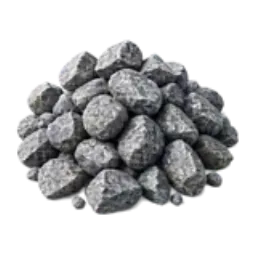
Free calculator
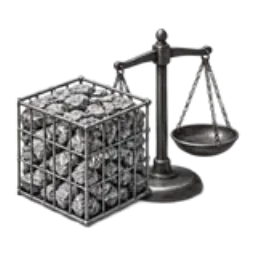
Cubic Yards to Tons Calculator
Use this cubic yards to tons calculator to convert a volume in cubic yards into weight by material. Pick gravel, crushed stone, river rock, sand, topsoil, compost, mulch, or fill dirt, enter the cubic yards, and it returns tons, pounds, and cubic feet. The conversion is not fixed: it depends on the material density, so a yard of mulch and a yard of gravel weigh very different amounts on the same delivery ticket.
Open calculatorEstimateEstimate only; material density, moisture, gradation, and supplier conversions vary, so confirm the tons-per-yard figure with your supplier before ordering by weight.
Project inputs
Estimate
7 tons of gravel
About 5 cubic yards of gravel weighs about 7 tons, or 14000 pounds, at 1.4 tons per cubic yard.
Order and transport check
Supplier basis5 cu yd · 7 tons
Bagged optionUse supplier package yield and round to whole units
Pickup or deliveryConfirm vehicle payload, supplier minimums, moisture, and delivery access before ordering.
Printable material list
Estimate- gravel by weight7 tons1.4 tons/cu yd assumption
- Weight in pounds14,000 lbtons x 2,000
- Volume in cubic feet135 cu ftcubic yards x 27
- Cubic yards entered5 cu ydas entered
- Truck load notevariesmany pickups carry about 1 to 3 cubic yards by weight
Estimate only. Tons per cubic yard changes with material, moisture, and compaction. Use your supplier's density when buying by the ton.
EstimateEstimate only; material density, moisture, gradation, and supplier conversions vary, so confirm the tons-per-yard figure with your supplier before ordering by weight.
Cubic Yards to Tons Calculator quick answers
- One cubic yard of gravel
- About 1.4 US tons
- Ten tons of gravel
- About 7.14 cubic yards
- Best density to use
- The supplier's tons-per-yard figure
Crushed stone is about 1.5 tons per yard and river rock about 1.45 at the page's planning defaults.
Reverse the conversion by dividing tons by density: 10 divided by 1.4 equals about 7.14 cubic yards.
Material type, gradation, and moisture move the weight. Enter the local conversion in the density override when supplied.
Assumptions
- Default cubic yards is 5; the material selector defaults to gravel.
- Each material carries a default density in tons per cubic yard, from mulch at 0.4 to crushed stone at 1.5.
- Leave the density override at 0 to use the material default, or type a supplier value to replace it.
- Tons equal cubic yards times density; pounds equal tons times 2000; cubic feet equal cubic yards times 27.
Calculation details
- Tons = cubic yards x tons per cubic yard (density).
- Pounds = tons x 2,000.
- Cubic feet = cubic yards x 27.
Calculator guideDepth, measuring, formulas, and common mistakes7 practical sections for this material
What this cubic yards to tons calculator does
Suppliers and delivery tickets mix units freely. A yard sells bulk material by the cubic yard, but the truck scale weighs it by the ton, and a bag lists pounds. This tool keeps those three units aligned for one pile of material. Enter a volume in cubic yards, choose the material, and it returns the matching tons, pounds, and cubic feet so the figure on your order matches the figure on the scale.
It is a pure unit converter, not an area or coverage tool. It does not ask for length, width, or depth, because it assumes you already know the volume. If you still need to turn a bed or driveway footprint into cubic yards, use one of the material calculators linked below first, then bring that yardage here to weigh it.
Why cubic yards to tons is not a fixed number
A generic converter that turns cubic yards into tons with one fixed factor is wrong for landscape material, because it ignores what is in the pile. A cubic yard of mulch and a cubic yard of crushed stone occupy the same space but weigh nothing alike. The bridge between volume and weight is density, and density swings widely across the materials a yard stocks, from light bark to heavy washed stone.
So this page keeps a separate planning density for each material, and the weight follows what you are actually buying. At the defaults, 1 cubic yard runs from 0.4 tons of mulch to 1.5 tons of crushed stone, almost a fourfold spread. Averaging a single factor across all of them is how orders come up short or arrive heavy.
Loose and compacted material can have different bulk densities because compaction reduces void space. Moisture also raises scale weight. Treat the listed density as a nominal planning conversion; a supplier truck scale measures the actual load. Gravel, sand, and soil need separate product figures even at the same volume.
Formula used
Tons equal cubic yards multiplied by the material density in tons per cubic yard. Pounds equal those tons multiplied by 2000, since one US short ton is 2000 pounds. Cubic feet equal cubic yards multiplied by 27, because a cubic yard is 3 feet on every side. When the density override is left at 0, the calculator falls back to the selected material default.
Worked example with the defaults: 5 cubic yards of gravel at 1.4 tons per cubic yard gives 5 times 1.4, or 7 tons. That is 7 times 2000, or 14,000 pounds, and 5 times 27, or 135 cubic feet. Switch the material to mulch at 0.4 and the same 5 cubic yards weighs only 2 tons, which shows how far the material choice moves the result.
Going the other way: tons back to cubic yards
The reverse conversion matters when a supplier quotes by the ton and you need the volume instead. Cubic yards equal tons divided by the material density. Seven tons of gravel at 1.4 tons per cubic yard is 7 divided by 1.4, or 5 cubic yards. Ten tons of crushed stone at 1.5 is 10 divided by 1.5, about 6.67 cubic yards.
Use the same per-material density in both directions so the two conversions stay consistent. If you typed a supplier density into the override to get tons, reuse that exact number to recover yards. The reference table below is built for this: read across for tons per yard, then divide a quoted weight by that figure to get the yardage.
Cubic yards to tons for gravel
A cubic yards to tons gravel calculator needs a gravel density rather than a universal conversion factor. This tool uses 1.4 tons per cubic yard for general gravel, 1.5 for crushed stone, and 1.45 for river rock as planning defaults. Select the closest material before converting so the result follows the aggregate in the load instead of a generic average.
If the supplier lists a different tons-per-yard figure, enter it in the density override. The calculator then multiplies the cubic yards by that supplier value, which keeps a local washed gravel, dense road base, or lighter decorative stone estimate tied to the material being delivered.
Common mistakes
The biggest mistake is reusing one conversion factor for every material. A single average turns light mulch heavy and heavy stone light, throwing the order off in opposite directions depending on what you buy. The second is forgetting moisture: wet sand, soaked topsoil, and rained-on gravel all weigh more than the dry defaults, so a stockpile sitting in the rain can run above the planning density.
A third is treating tons and yards as interchangeable on the ticket, reading a weight as if it were a volume or the reverse. They are linked only through density, never equal. The last is sizing a project here from scratch; this converter assumes a volume is already in hand. Working out a bed or driveway from length, width, and depth belongs on a material calculator.
When to use a material calculator instead
This converter starts from a volume you already have. When you do not have one, the per-material calculators do the area math first and hand back cubic yards for a project. The pea gravel and crushed stone calculators size driveways, paths, and bases by footprint and depth; the topsoil calculator handles planting beds and lawns; the river rock calculator covers decorative beds and dry creek beds.
The division of labor is clean. Those tools answer how much material a space needs; this one answers how much that volume weighs once a supplier bills by the ton. Many projects use both: size the volume on a material page, then carry the cubic yards here to convert it into the weight unit on the invoice.
Tons per cubic yard by material (planning densities)
| Material | Tons per cubic yard | Pounds per cubic yard |
|---|---|---|
| Crushed stone | 1.5 | 3,000 |
| River rock | 1.45 | 2,900 |
| Gravel | 1.4 | 2,800 |
| Sand | 1.35 | 2,700 |
| Fill dirt | 1.2 | 2,400 |
| Topsoil | 1.1 | 2,200 |
| Compost | 0.6 | 1,200 |
| Mulch | 0.4 | 800 |
Planning densities for dry material; pounds equal tons times 2000. To go from a quoted weight back to volume, divide tons by the tons-per-yard figure for that material.
Cubic Yards to Tons Calculator FAQ
How do I convert cubic yards to tons?
Multiply cubic yards by the material density in tons per cubic yard. For example, 5 cubic yards of gravel at 1.4 tons per cubic yard is 7 tons. The density differs by material, so the calculator uses a separate default for gravel, stone, sand, soil, compost, and mulch.
How many tons is a cubic yard of gravel?
About 1.4 tons at the planning default, so 5 cubic yards is roughly 7 tons. Crushed stone is heavier near 1.5 tons per yard, river rock about 1.45, and sand around 1.35. Wet material weighs more, so use a supplier density when one is listed.
Why does the same cubic yard weigh different amounts?
Because weight depends on density, and density changes with the material. A cubic yard of mulch is about 0.4 tons while a cubic yard of crushed stone is about 1.5 tons, even though both fill the same space. That is why a single fixed cubic-yard-to-ton factor is unreliable for landscape material.
How do I convert tons back to cubic yards?
Divide the tons by the material density. Ten tons of crushed stone at 1.5 tons per cubic yard is about 6.67 cubic yards. Use the same density you used to get tons in the first place, whether the material default or a supplier number you entered.
How many pounds are in a ton?
One US short ton is 2000 pounds, which is the value this calculator uses. So 7 tons of gravel is 14,000 pounds. The tool reports pounds alongside tons so you can match bagged products, which are usually labeled by the pound, against a bulk order.
Does wet material change the weight?
Yes. Moisture adds real weight, so wet sand, saturated topsoil, or rain-soaked gravel can weigh noticeably more than the dry planning densities here. If your stockpile has been rained on or the supplier delivers damp material, expect the tonnage to run higher and confirm the density with the yard.
Can I use this to size a project?
No. This is a unit converter that needs a volume you already know. To work out how much material a bed, path, or driveway needs from length, width, and depth, use one of the material calculators, then bring the resulting cubic yards here to convert to tons or pounds.
Can I use this as a cubic yards to tons gravel calculator?
Yes. Select general gravel, crushed stone, or river rock and the calculator applies that material's planning density before converting cubic yards to tons and pounds. General gravel defaults to 1.4 tons per cubic yard, and you can replace that value with a supplier density when available.
How this estimate is built
Formula
- Tons = cubic yards x tons per cubic yard (density).
- Pounds = tons x 2,000.
- Cubic feet = cubic yards x 27.
Inputs and assumptions
Editable inputs include Cubic yards, Material, Density override. Defaults and calculation assumptions are listed in the Assumptions section and can be replaced with measurements or product-label data.
Sources and testing
Public density, coverage, package, and application references inform the defaults. Automated unit tests cover shared conversions and calculator logic; they do not validate site conditions, supplier labels, or project design.
Limits
Region, moisture, compaction, grading, waste, and supplier specifications can change the amount required. This is a planning estimate, not structural, safety, engineering, or professional construction advice.
Read the calculation methodology and sources and update policy.