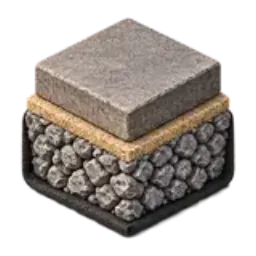
Shed, patio, and wall base
Size gravel for a shed foundation, compacted patio base, bedding and joint sand, and block for hardscape projects.
25 calculators · visible formulas
Estimate cubic yards, tons, bags, and waste for common homeowner yard projects, then print or copy a plain material list before you call a supplier or load the truck.
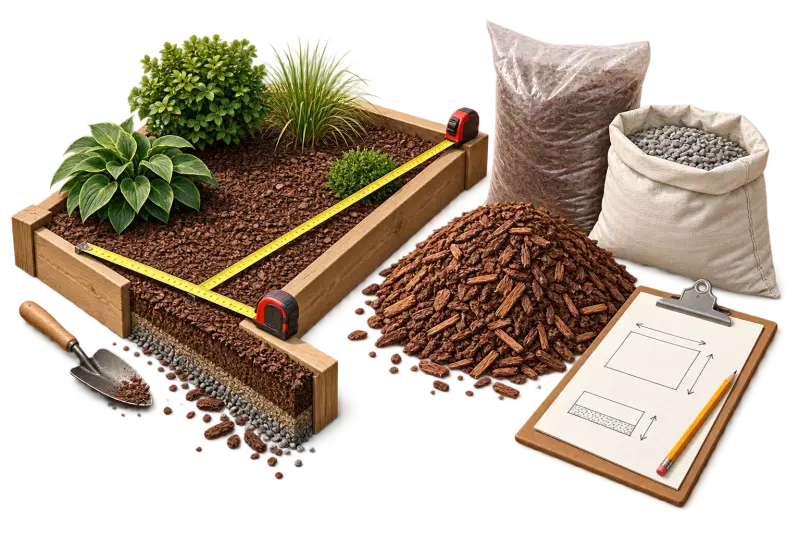
25 calculators shown
 Concrete Block CalculatorCount wall blocks, mortar, openings, and waste.
 Retaining Wall Block CalculatorCount wall units, caps, base stone, and drainage gravel.Paver Base CalculatorSeparate compacted base gravel from bedding sand.
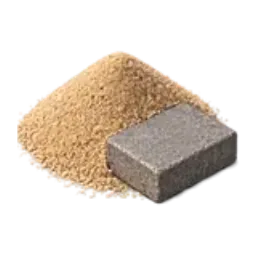 Paver Sand CalculatorEstimate bedding and joint sand for a paver area.
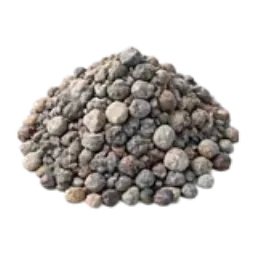 Gravel CalculatorEstimate general gravel volume, tons, bags, and cost.
 Pea Gravel CalculatorPlan rounded pea stone for paths, runs, and garden beds.
 Crushed Stone CalculatorEstimate angular stone volume, tons, and compacted depth.
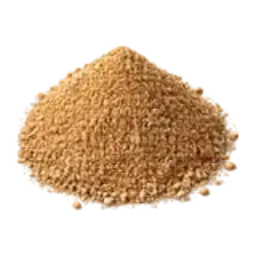 Decomposed Granite CalculatorPlan compacted DG for paths, patios, and fines.
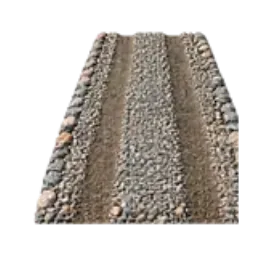 Gravel Driveway CalculatorPlan surface refreshes or full layered driveway stone.
 River Rock CalculatorEstimate larger rounded stone for swales and dry creek beds.
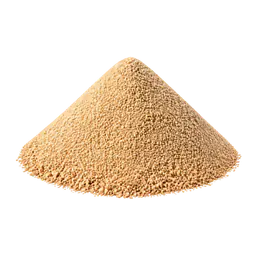 Sand CalculatorEstimate general sand volume, weight, bags, and cost.
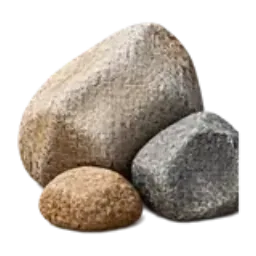 Landscape Rock CalculatorSize decorative rock by area, depth, and density.
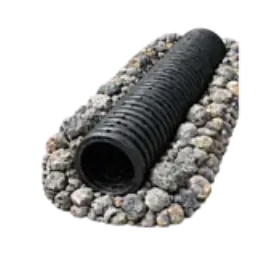 French Drain Gravel CalculatorCalculate trench stone around pipe and filter fabric.
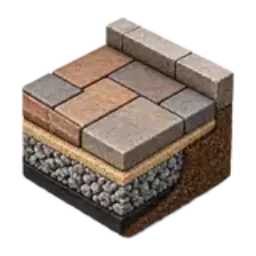 Paver Patio Project CalculatorPlan pavers, base, bedding sand, and joint sand together.
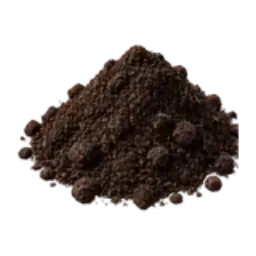 Topsoil CalculatorEstimate topsoil for lawn repair, leveling, and topdressing.
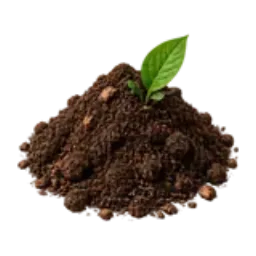 Garden Soil CalculatorEstimate a soil blend for new beds and borders.
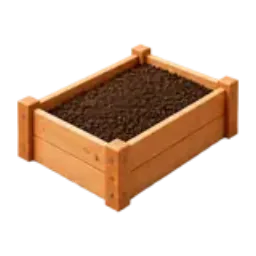 Raised Bed Soil CalculatorFill raised beds with separate soil and compost volumes.
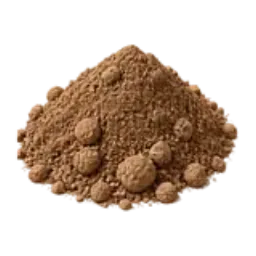 Fill Dirt CalculatorSize rough grading, low spots, settling, and truck loads.
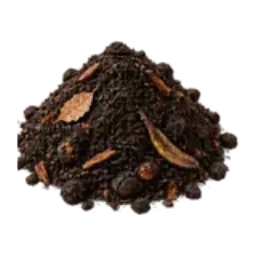 Compost CalculatorPlan compost depth, yards, bags, and blend share.
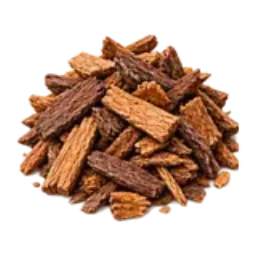 Mulch CalculatorEstimate bed coverage, cubic yards, and bag counts.
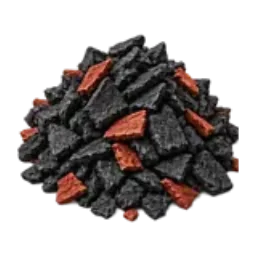 Rubber Mulch CalculatorPlan rubber mulch coverage by depth and package weight.
 Grass Seed CalculatorCalculate seed from lawn area and seeding rate.
 Sod CalculatorCount sod rolls or pallets from lawn area and waste.
 Cubic Yards to Tons CalculatorConvert a known volume using material or supplier density.
 Bags per Cubic Yard CalculatorConvert bulk cubic yards into common retail bag sizes.
Size gravel for a shed foundation, compacted patio base, bedding and joint sand, and block for hardscape projects.
Estimate the cover, amendment, and soil volumes for beds, borders, and raised boxes.
Compare seed, sod, topsoil, and fill quantities before repairing bare or uneven areas.
Start with the general gravel calculator for yards and tons, or choose a focused tool for decorative stone, paths, and driveways.
One repeatable workflow
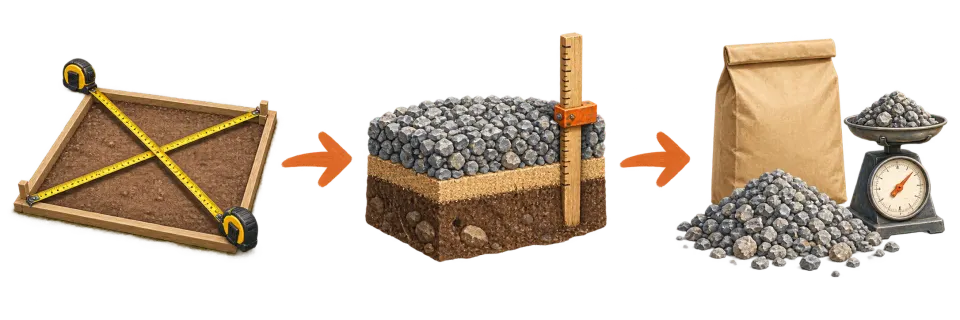
Every estimate moves through the same three decisions. You provide the measurements; the calculator keeps the formula and shopping assumptions visible.
Enter the project shape and dimensions in feet.
Turn square footage into cubic feet and cubic yards.
Add waste, then compare bags, bulk yards, or tons.
The calculator multiplies length by width to get square feet, multiplies by the depth in feet to get cubic feet, and divides by 27 to get cubic yards. From that volume it works out a waste allowance, a bag count, and, where it applies, a weight in tons. Whether you are pricing pea gravel, top soil, or mulch, each page shows the formula and default assumptions instead of hiding them behind one number. For mixed stone, start with the gravel calculator.
Some projects use area instead of volume. The concrete block calculator works from wall face area, while the grass seed calculator uses a seeding rate per 1,000 square feet. The outcome is still a practical shopping list.
New to estimating? Read how to measure your yard, use the yard material coverage chart, or see how much mulch you need for depth-by-use guidance.
Know what the supplier means
Use the result that matches how the material is packaged or delivered.
Yard materials are sold in mixed units, which is where ordering mistakes happen. A coverage figure shows how far the same volume spreads at a chosen depth, and an optional cost field turns volume into a rough budget using a price you enter. Use the paver base calculator for separate base gravel and bedding sand layers, or the compost calculator when depth and blend share matter more than weight.
Estimate boundary
Yard Material Tools is a static-first calculator site for homeowner and DIY planning. Each page keeps the default assumptions visible, shows the formula, and creates a plain material list that can be printed or copied.
The calculators avoid real-time prices, location-based quotes, and construction promises because supplier material, local practice, and site conditions vary. Adjust waste, compaction, seed rate, or blend assumptions to match your project. For structural, drainage, safety, or permit questions, use the estimate as a preparation note before speaking with a qualified local professional.
Measure the area in feet, choose a depth, and the calculator converts length times width times depth into cubic feet and cubic yards. It then adds a waste factor and converts the volume into bags, tons, or a bulk order so you can buy the right amount.
Cubic feet measure small volumes, and cubic yards measure bulk deliveries. One cubic yard equals 27 cubic feet. Bagged products are usually labeled in cubic feet, while bulk soil, gravel, and mulch are usually sold by the cubic yard.
It depends on the bag size. A cubic yard is 27 cubic feet, so it is about 27 one-cubic-foot bags, 18 bags at 1.5 cubic feet, or roughly 13-14 bags at 2 cubic feet. Each calculator lets you enter the bag size printed on the product.
Usually yes. A small waste or settling allowance covers uneven ground, spillage, compaction, and shape loss so you are less likely to run short. Each calculator shows the waste percentage it used and lets you change it.
They are planning estimates built from standard formulas and visible default assumptions. Supplier density, moisture, bag fill, and site conditions vary, so confirm the final amount with the product label or your local supplier before buying.
Yes. Every calculator builds a plain material list you can print or copy with one click, including the quantities, bag counts, and the assumptions used, so you can take it to the supplier or save it with your project notes.