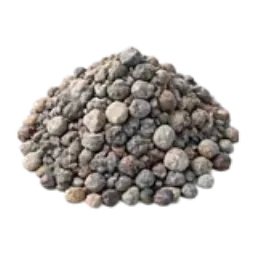
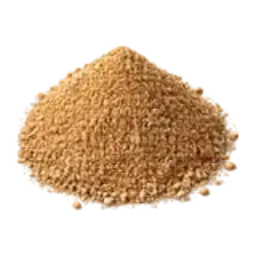
Free calculator
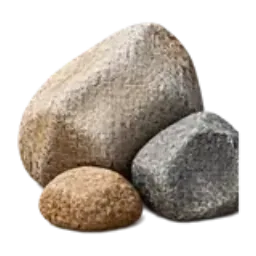
Landscape Rock Calculator
Use this landscape rock calculator for decorative stone beds, dry-creek accents, borders, and low-traffic paths. It converts the measured footprint and finished depth into cubic yards, tons, whole bags, and an editable cost estimate, while keeping the density and waste assumptions visible for supplier confirmation.
Open calculatorEstimatePlanning estimate only; rock density, gradation, moisture, supplier units, delivery rules, and local conditions vary.
Project inputs
Estimate
0.8 cubic yards of landscape rock
You need about 0.8 cubic yards (1.12 tons) of landscape rock to cover 120 square feet at 2 inches with 8% extra.
Order and transport check
Supplier basis0.8 cu yd · 1.12 tons
Bagged option45 50-lb bags; compare the actual package label
Pickup or deliveryConfirm vehicle payload, supplier minimums, moisture, and delivery access before ordering.
Printable material list
Estimate- Landscape rock0.8 cu yd8% extra included
- Landscape rock by weight1.12 tons1.4 tons/cu yd editable assumption
- Bagged landscape rock45 50-lb bagsround up before buying
- Cost at your price$52.00$65/cu yd editable planning price
- Typical bulk planning range$45–$110 per cu ydbroad reference only; enter a local supplier price
- Delivery or pickupcompare bags and pickupconfirm vehicle payload and supplier minimum
Planning estimate only. Supplier gradation, moisture, density, delivery rules, and site conditions vary.
EstimatePlanning estimate only; rock density, gradation, moisture, supplier units, delivery rules, and local conditions vary.
Assumptions
- Default depth is 2 inches for a decorative layer.
- Density starts at 1.4 tons per cubic yard, the midpoint of a 1.3–1.5 planning range.
- Eight percent extra is included by default.
- Bag count uses weight because decorative-rock bags are often labeled in pounds.
Calculation details
- Area = length x width.
- Cubic feet = area x depth in feet.
- Cubic yards = cubic feet / 27.
- Tons = cubic yards x selected density.
- Bags = pounds / bag weight, rounded up.
Calculator guideDepth, measuring, formulas, and common mistakes6 practical sections for this material
What this landscape rock estimate includes
Landscape rock is a broad buying category rather than one uniform product. Rounded river cobble, angular decorative stone, lava rock, marble chips, and dense crushed rock can occupy the same volume but weigh very different amounts. This tool keeps volume as the primary answer, then converts that volume to weight with an editable density. That makes the result useful whether a landscape yard sells by the scoop, cubic yard, or ton. The printed list also shows bags and your entered bulk price so one measurement supports several supplier conversations.
Measure the visible rock layer
Measure only the surface that will receive new rock. Split an L-shaped or interrupted bed into rectangles, or use the circle, triangle, and ring options for islands and tree surrounds. Do not include edging, paving, or planted openings. Depth means the finished rock layer after placement, not the full excavation. If old stone remains, measure how much new depth is needed to restore coverage rather than ordering for the entire profile. Small depth errors matter: increasing a 2-inch layer to 3 inches increases volume by half.
Why density is editable
Cubic yards describe the space the rock occupies; tons describe weight. The conversion changes with mineral type, particle size, void space, and moisture. The shared data record therefore stores a range instead of presenting one number as universal. Ask the supplier how many tons of the exact product they treat as one cubic yard, then replace the default. Lava rock can be much lighter than ordinary decorative stone, while dense river rock may be heavier. Keeping the supplier conversion in the printed assumptions is more honest than hiding it inside the formula.
Bulk delivery, pickup, or bags
Bags are easy to stage for a narrow border or repair, but whole-bag rounding becomes expensive and labor intensive as volume grows. Bulk material is often worth comparing near one cubic yard, although delivery fees and supplier minimums can change the decision. A cubic yard of dense rock can exceed a light-duty pickup's payload even when it fits by volume. Treat the truck note as a prompt to check the door-jamb payload label and the supplier's loading policy, never as permission to carry a particular load.
Use the result at the supplier
Bring the cubic-yard figure, ton estimate, rock name, desired depth, and a sketch or total area. Ask whether the supplier sells a true cubic yard, a loader scoop of another size, or material weighed at the scale. Confirm density, delivery minimum, order increment, and whether the rock is washed. If color consistency matters, ask whether the current stock comes from one source lot. The editable price creates a planning comparison only; it does not include tax, delivery, pallet deposits, equipment, edging, fabric, or removal of old material.
Common landscape rock mistakes
Avoid using square feet alone without a depth, converting every rock to the same tons-per-yard value, or assuming bag weight reveals bag volume. Do not add structural base requirements to a decorative-rock calculation. A path or patio may need a separate compacted base, drainage, and edge restraint below the visible stone. Also avoid ordering exactly the geometric volume for an irregular bed: low spots, embedded stones, and spilled material create real loss. The waste control exists so the estimate can match the site instead of pretending all projects are perfect rectangles.
One cubic yard of landscape rock by depth
| Depth | Coverage | Typical weight range |
|---|---|---|
| 1 in | 324 sq ft | 1.3–1.5 tons |
| 2 in | 162 sq ft | 1.3–1.5 tons |
| 3 in | 108 sq ft | 1.3–1.5 tons |
| 4 in | 81 sq ft | 1.3–1.5 tons |
Coverage is geometric. Weight is a planning range; confirm the exact product with the supplier.
Landscape Rock Calculator FAQ
How much landscape rock do I need?
Multiply area by finished depth in feet, divide cubic feet by 27, and add a measured allowance for irregular edges and low spots. This calculator performs those steps and then converts the volume to tons and bags.
How many tons are in a cubic yard of landscape rock?
The shared planning range is 1.3 to 1.5 tons per cubic yard, but lava rock, river rock, and other products differ. Use the exact supplier conversion when available.
How deep should decorative landscape rock be?
Two inches is a useful starting estimate for many decorative beds, but rock size, existing coverage, fabric, traffic, and site conditions can change the depth. Enter the layer you actually plan to place.
Should I buy landscape rock in bags or bulk?
Bags suit repairs and small borders. Bulk becomes worth comparing as the estimate approaches a cubic yard, but delivery fees, minimums, access, and handling determine the practical choice.
Can I pick up a cubic yard of rock in my truck?
Do not decide from volume alone. Rock is heavy and payload limits vary. Confirm the estimated weight against the vehicle label and supplier loading policy, or choose delivery.
Does this include a compacted base?
No. It estimates the visible landscape-rock layer. If the project needs a structural or compacted base, calculate that material separately and consult a professional for structural or safety questions.
How this estimate is built
Formula
- Area = length x width.
- Cubic feet = area x depth in feet.
- Cubic yards = cubic feet / 27.
- Tons = cubic yards x selected density.
- Bags = pounds / bag weight, rounded up.
Inputs and assumptions
Editable inputs include Area shape, Rock bed length, Average width, Diameter, Base, Height, Outer diameter, Inner diameter, Finished depth, Extra material, Rock density, Bag weight, Your bulk price. Defaults and calculation assumptions are listed in the Assumptions section and can be replaced with measurements or product-label data.
Sources and testing
Public density, coverage, package, and application references inform the defaults. Automated unit tests cover shared conversions and calculator logic; they do not validate site conditions, supplier labels, or project design.
Limits
Region, moisture, compaction, grading, waste, and supplier specifications can change the amount required. This is a planning estimate, not structural, safety, engineering, or professional construction advice.
Read the calculation methodology and sources and update policy.