Free calculator
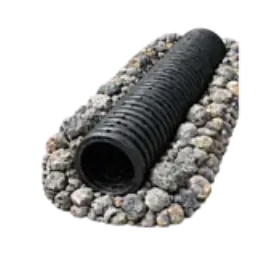
French Drain Gravel Calculator
Use this French drain gravel calculator to build a material takeoff from trench length, width, depth, pipe diameter, fabric overlap, waste, and drain-rock density. It subtracts pipe displacement, then reports washed stone in cubic yards and tons, pipe length, fabric area, and excavated soil.
Open calculatorEstimateMaterial estimate only; drainage capacity, slope, outlet, utilities, soil, permits, and local conditions require site-specific review.
Project inputs
Estimate
2.88 cubic yards of drain rock
You need about 2.88 cubic yards (4.18 tons) of washed drain rock for a 50-foot trench after subtracting a 4-inch pipe and adding 10% extra.
Order and transport check
Supplier basis2.88 cu yd · 4.18 tons
Bagged optionUse supplier package yield and round to whole units
Pickup or deliveryConfirm vehicle payload, supplier minimums, moisture, and delivery access before ordering.
Printable material list
Estimate- Washed drain rock2.88 cu yd10% extra included
- Drain rock by weight4.18 tons1.45 tons/cu yd editable assumption
- Drain-rock cost$158.40$55/cu yd editable price; typical data range $35–$80
- Perforated drain pipe50 linear ft5 ten-foot sticks before fittings
- Nonwoven filter fabric250 sq ft12-inch wrap overlap
- Excavated soil2.78 cu ydin-place trench volume before soil swell
This estimates materials, not drainage capacity, outlet suitability, slope, permits, or foundation protection. Consult a professional for structural or safety questions.
EstimateMaterial estimate only; drainage capacity, slope, outlet, utilities, soil, permits, and local conditions require site-specific review.
Assumptions
- The trench is treated as a straight rectangular prism.
- Pipe displacement uses the outside diameter and a full-length cylinder.
- Fabric wraps the bottom and both sides plus the entered overlap.
- This estimates materials only; it does not size drainage capacity or choose an outlet.
Calculation details
- Trench volume = length x width x depth.
- Pipe displacement = pi x radius squared x trench length.
- Drain rock = (trench volume - pipe volume) x waste allowance.
- Fabric area = trench length x (two sides + bottom + overlap).
Calculator guideDepth, measuring, formulas, and common mistakes6 practical sections for this material
A French drain is a project, not one gravel number
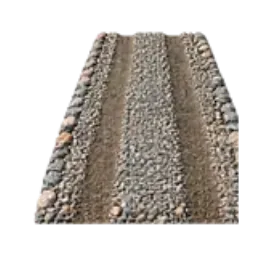
A useful takeoff needs more than trench volume. This calculator counts the washed drain rock around a perforated pipe, pipe length, whole ten-foot pipe sticks, filter-fabric area, and the in-place excavation volume. Those outputs share one set of trench dimensions so they stay internally consistent. Fittings, cleanouts, outlets, catch basins, connectors, and disposal are left visible as project-specific additions rather than guessed. The result is designed for a supplier conversation and printable planning list, not a drainage design.
How the pipe displacement formula works
The gross trench is length times width times gravel-filled depth. Pipe occupies a cylinder inside that prism, so its outside volume is pi times radius squared times length. The calculator subtracts the pipe volume before adding the selected rock allowance. The deduction is usually modest, but it prevents the common error of filling the entire trench volume with stone on paper while also placing a pipe in the same space. If the pipe does not run the full measured length, split the route into sections.
Measure the route and trench
Measure along the actual run, including turns, then decide whether one width and depth reasonably represent the excavation. If the trench changes size, calculate each section separately and add the material lists. Width and depth should describe the space occupied by gravel and pipe, not a wider disturbed work zone. Do not select trench dimensions solely because they fit the calculator defaults. Soil, inflow, outlet elevation, nearby foundations, utilities, and local requirements can change the appropriate drain design.
Choose washed drain rock
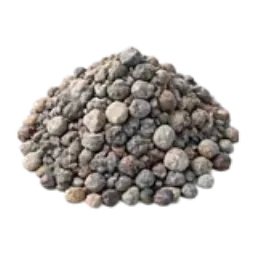
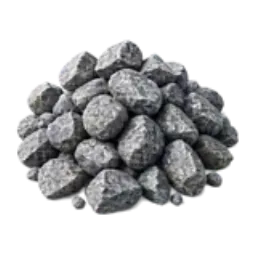
French drains depend on open voids that let water reach the pipe, so suppliers commonly distinguish clean or washed angular drain stone from dense-graded base containing fines. Product names such as number 57 vary by region; ask what the local yard recommends for drainage and what density it uses for ordering. The calculator stores a density range and exposes an editable midpoint. It does not certify a product for a site. Keep soil out of the rock during handling, and verify the selected filter fabric and pipe with the project plan.
Fabric area and pipe sticks
Fabric is estimated as one sheet running under the trench, up both sides, and across the top with the chosen overlap. This is a geometric minimum before roll-width layout, seams, end closures, cuts, and damaged pieces. Compare the calculated wrap width with available roll widths and add project-specific seam allowance. Pipe length follows the trench and is also shown as ten-foot sticks rounded up. Real orders need fittings, outlet pieces, cleanouts, and connections, which should be counted from a route sketch rather than inferred from length alone.
Limits of a material calculator
This tool does not calculate storm flow, soil infiltration, hydraulic capacity, required slope, discharge rights, foundation protection, or utility clearance. A trench that holds the right quantity of gravel can still fail if it has no suitable outlet or is undersized for the water source. Call utility-location services before digging and consult a qualified professional when drainage affects a building, retaining structure, neighboring property, steep slope, or safety. The estimate-only boundary is part of the result and should remain with the printed list.
Drain rock for a 50-ft trench before 10% extra
| Trench size | Pipe | Net rock volume |
|---|---|---|
| 12 x 12 in | 4 in | 1.71 cu yd |
| 12 x 18 in | 4 in | 2.63 cu yd |
| 18 x 18 in | 4 in | 4.02 cu yd |
Geometric examples subtract full-length pipe displacement. Confirm trench design separately.
French Drain Gravel Calculator FAQ
How much gravel do I need for a French drain?
Calculate trench volume, subtract the outside volume of the pipe, then add a measured allowance and divide by 27 for cubic yards. This tool also converts that result to tons.
Does the calculator subtract the drain pipe?
Yes. It treats the pipe as a cylinder using its outside diameter and subtracts that volume from the rectangular trench before adding extra material.
What gravel should I use in a French drain?
Ask for clean or washed drain stone with open voids and confirm the locally recommended gradation. Dense-graded base with many fines serves a different purpose.
How is filter fabric calculated?
Fabric width equals the trench bottom plus both side depths plus the entered closure overlap; that width is multiplied by trench length. Add seams and roll-layout waste separately.
Does this calculate French drain slope or capacity?
No. It estimates material quantities only. Outlet elevation, flow, infiltration, pipe sizing, slope, utilities, and local requirements need separate site-specific review.
How much excavated soil will I remove?
The list shows the in-place rectangular trench volume. Loose spoil can occupy more space after excavation, so disposal volume and hauling should be checked separately.
How this estimate is built
Formula
- Trench volume = length x width x depth.
- Pipe displacement = pi x radius squared x trench length.
- Drain rock = (trench volume - pipe volume) x waste allowance.
- Fabric area = trench length x (two sides + bottom + overlap).
Inputs and assumptions
Editable inputs include Trench length, Trench width, Gravel-filled depth, Pipe outside diameter, Fabric overlap, Extra drain rock, Drain-rock density, Your drain-rock price. Defaults and calculation assumptions are listed in the Assumptions section and can be replaced with measurements or product-label data.
Sources and testing
Public density, coverage, package, and application references inform the defaults. Automated unit tests cover shared conversions and calculator logic; they do not validate site conditions, supplier labels, or project design.
Limits
Region, moisture, compaction, grading, waste, and supplier specifications can change the amount required. This is a planning estimate, not structural, safety, engineering, or professional construction advice.
Read the calculation methodology and sources and update policy.