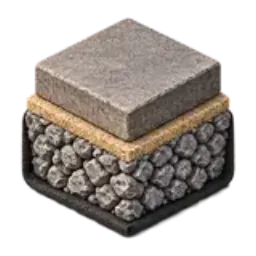
Free material order planner
Sand Calculator
Use this sand calculator to estimate cubic feet, cubic yards, tons, 50 lb bag count, coverage, and a simple cost placeholder from length, width, depth, density, and waste. It produces a printable material list for paver bedding, play sand, fill, and leveling before you order.
Open calculatorEstimateEstimate only; sand density, moisture, compaction, screeding, and local conditions vary.
Project inputs
Recommended order
Order 1 cu yd in bulk
Bulk is about $120.00 less with the entered delivery charge. Estimated delivered total: $100.00. The bagged alternative is $220.00.
Project quantity: 0.8 cubic yards of sand
Smart Buy Planner
Bags or bulk?
1 cu yd at $35.00/yd + $65.00 delivery
44 50-lb bags at $5.00 each
Bulk is about $120.00 less with the entered delivery charge.
Cost comparison only. Local prices, taxes, access, pickup capacity, product grade, and delivery terms vary.
Order and transport check
Supplier basis0.8 cu yd · 1.08 tons
Bagged option44 50-lb bags; compare the actual package label
Pickup or deliveryConfirm vehicle payload, supplier minimums, moisture, and delivery access before ordering.
Printable material list
Estimate- Sand0.8 cu yd8% waste included
- Typical bulk cost$16–$40regional planning range; edit the price field for a local rate
- Delivery vs DIY haulAbout 3 pickup loadsroughly 8 wheelbarrow loads to move it; heavy material, so confirm your truck's payload before hauling
- Sand by weight1.08 tons1.35 tons/cu yd density
- Bagged sand44 50-lb bagsround up before buying
- Cost at your price$28.00at $35/cu yd — edit the price field
- Coverage at 2 inches129.6 sq ftspread thinner or deeper to change coverage
Estimate only. Sand type, moisture, and supplier density change the weight and the amount you need.
EstimateEstimate only; sand density, moisture, compaction, screeding, and local conditions vary.
Assumptions
- Default sand density is 1.35 tons per cubic yard, or about 100 pounds per cubic foot.
- Cubic yards equal cubic feet divided by 27.
- Bag count uses your entered bag weight, defaulting to 50 pounds, and rounds up.
- Cost is a placeholder using your entered bulk price, not a quote.
Calculation details
- Area = length x width.
- Cubic feet = area x depth in feet.
- Cubic yards = cubic feet / 27.
- Tons = cubic yards x density.
Calculator guideDepth, measuring, formulas, and common mistakes6 practical sections for this material
What this sand calculator does
Sand is sold by the pound in bags, by the cubic yard in bulk, and by the ton on delivery tickets, and those units rarely line up cleanly. This calculator keeps them together. Enter the project length, width, depth, density, bag weight, and waste, and it converts one measured volume into cubic feet, cubic yards, tons, 50 pound bag count, coverage, and an optional bulk cost placeholder.
It is built for real yard jobs: paver and flagstone bedding, play sand under a swing set, leveling sand under a shed or pool, and general fill behind walls or in low spots. It does not decide whether sand is the right material or how thick a structural base should be. It turns a measured area into a practical shopping list with the assumptions visible.
How deep should the sand layer be?
Depth depends entirely on the job. Paver bedding sand is usually a thin, screeded layer of about one inch over a compacted base, not a deep cushion. Play sand and leveling sand are often deeper. Fill and low spots can be deeper still. Sand is a bedding and leveling material, so a thick loose sand layer under pavers can rut and shift rather than support traffic.
Depth drives the order directly. A 100 square foot area at 1 inch is about 8.3 cubic feet before waste, while the same area at 2 inches is about 16.7 cubic feet. When a job sits near a bag or delivery threshold, confirming depth before purchase prevents both a shortage and a leftover pile you have to store or move.
Formula used
The calculator multiplies length by width for square feet, then multiplies by depth in feet for cubic feet. Cubic yards are cubic feet divided by 27. Tons are cubic yards multiplied by the density you enter. Bag count converts tons to pounds, divides by your bag weight, and rounds up to whole bags so the number is something you can actually buy.
Density is the least universal input. Sand weight changes with type, gradation, and especially moisture, since wet sand is heavier and packs differently than dry. The default of 1.35 tons per cubic yard, near 100 pounds per cubic foot, is a planning value. If a local yard lists a different conversion, enter that number in the density field.
Which sand, and when another page fits
Sand is a bedding, leveling, and filling material rather than a finished surface or a structural base. This one calculator covers several distinct jobs: a thin screeded bedding layer under pavers or flagstone, washed play sand under a swing set, leveling sand under a shed floor or pool, joint sand swept between units, and general fill behind walls or in low spots. Naming the job at the yard matters, because mason, concrete, and play sands are graded differently.
If you are building the whole paver section, not just the sand, the paver base calculator pairs the compacted crushed-stone base with the bedding sand in one estimate. For the load-bearing base layer on its own, the crushed stone calculator sizes the angular aggregate. Use this page when sand itself is the material you are buying.
Common mistakes
The most common mistake is treating square feet as cubic feet and skipping depth, which throws off the whole order. Another is confusing cubic yards with tons. A cubic yard is volume; a ton is weight, and the link between them is density. Two suppliers can quote different ton figures for the same volume because they assume different densities or moisture.
People also over-order bedding sand by using a deep layer where a thin screeded inch is intended, or under-order fill by ignoring how sand settles and migrates. The printed list shows quantities and assumptions only. Compactable base, geotextile fabric, edge restraint, and polymeric joint sand are separate items the calculator does not include.
Before you order
Bring the printed list, your dimensions, depth, and intended use to the supplier and ask what sand type fits the job. Concrete or bedding sand, mason sand, and washed play sand are not interchangeable for every purpose, and naming the use helps the yard point you to the right product and a matching density.
Confirm the supplier conversion, bag weight, and whether the price is per cubic yard or per ton before you commit. Keep the disclaimer with the list. It is a planning estimate, supplier density and moisture vary, and a thin moisture difference can move the weight noticeably. Consult a professional for any structural or safety question.
Sand coverage by depth
| Depth | Coverage per cubic yard | 50 lb bags per 100 sq ft |
|---|---|---|
| 1 in | 324 sq ft | 17 bags |
| 2 in | 162 sq ft | 34 bags |
| 3 in | 108 sq ft | 50 bags |
| 4 in | 81 sq ft | 67 bags |
Based on 1 cubic yard = 27 cubic feet and a planning density of about 100 lb per cubic foot. Bag counts are rounded up; supplier density and moisture vary.
Sand Calculator FAQ
How do I calculate how much sand I need?
Multiply length by width for square feet, multiply by depth in feet for cubic feet, then divide by 27 for cubic yards. Add a waste factor, then convert to tons or 50 pound bags using density and bag weight.
How many square feet does a cubic yard of sand cover?
One cubic yard is 27 cubic feet. At 1 inch deep it covers about 324 square feet before waste, at 2 inches about 162 square feet, and at 3 inches about 108 square feet.
How many tons are in a cubic yard of sand?
A common planning value is about 1.35 tons per cubic yard, near 100 pounds per cubic foot. Wet sand weighs more, so use the supplier conversion when you order by weight.
How much sand do I need under pavers?
Paver bedding sand is usually a thin screeded layer of about one inch over a compacted base, not a deep cushion. The compactable base beneath it is estimated and ordered separately from the bedding sand.
Should I buy sand in bags or bulk?
Bags work for small bedding and play jobs or limited access. Bulk is usually cheaper for larger volumes, but mind delivery minimums, a dump location, and the labor to move and screed it.
Does this work for masonry sand, fill sand, or cubic yards of sand?
Yes. The quantity math is the same for masonry (mason) sand, fill sand, play sand, or bedding sand — it returns cubic yards, tons, and bags for any of them. The types differ in gradation and use, not in how the volume is measured, so name the sand at the yard and adjust the density if theirs differs.
Does this calculator pick the right type of sand?
No. It estimates quantity only. Bedding sand, mason sand, and play sand differ in gradation and use. Tell the supplier the project, and add fabric, base, and edging separately based on the job.
How this estimate is built
Formula
- Area = length x width.
- Cubic feet = area x depth in feet.
- Cubic yards = cubic feet / 27.
- Tons = cubic yards x density.
Inputs and assumptions
Editable inputs include Area shape, Length, Width, Diameter, Base, Height, Outer diameter, Inner diameter, Depth, Waste, Density, Bag weight, Bulk price, Bag price, Bulk delivery, Bulk minimum. Defaults and calculation assumptions are listed in the Assumptions section and can be replaced with measurements or product-label data.
Sources and testing
Public density, coverage, package, and application references inform the defaults. Automated unit tests cover shared conversions and calculator logic; they do not validate site conditions, supplier labels, or project design.
Limits
Region, moisture, compaction, grading, waste, and supplier specifications can change the amount required. This is a planning estimate, not structural, safety, engineering, or professional construction advice.
Read the calculation methodology and sources and update policy.