Free calculator
Paver Sand Calculator
This paver sand calculator handles the two sand layers a paver patio actually needs: the thin screeded bedding sand pavers sit on, and the joint sand that fills the gaps between them. Enter your patio length, width, and bedding depth, and it returns cubic feet, cubic yards, tons, and rounded-up 50-pound bag counts for the bedding layer, plus separate joint-sand bags. An optional bulk price gives a rough cost. Every figure is a planning estimate, not an order quantity.
Open calculatorEstimateEstimate only; sand density, joint width, base condition, and local pricing vary, so confirm quantities with your supplier and consult a qualified professional for structural questions.
Project inputs
Estimate
0.41 cu yd bedding sand plus 2 joint sand bag(s)
A 120 sq ft paver area with 1 inch of bedding sand needs about 0.41 cubic yards, 0.55 tons, or 22 bags of bedding sand, plus about 2 bags of joint sand for the gaps.
Order and transport check
Supplier basis0.41 cu yd · 0.55 tons
Bagged option22 50-lb bags; compare the actual package label
Pickup or deliveryConfirm vehicle payload, supplier minimums, moisture, and delivery access before ordering.
Printable material list
Estimate- Bedding sand0.41 cu yd10% waste included
- Typical bulk cost$10–$23regional planning range; edit the price field for a local rate
- Delivery vs DIY haulAbout 2 pickup loadsroughly 4 wheelbarrow loads to move it; heavy material, so confirm your truck's payload before hauling
- Bedding sand by weight0.55 tons1.35 tons/cu yd density
- Bagged bedding sand22 50-lb bagsround up before buying
- Joint or polymeric sand2 bags100 sq ft per bag assumption
- Cost at your price$16.40at $40/cu yd — edit the price field
Estimate only. Bedding depth, paver thickness, joint width, and sand gradation change the amount, and joint sand coverage varies a lot by brand and joint size.
EstimateEstimate only; sand density, joint width, base condition, and local pricing vary, so confirm quantities with your supplier and consult a qualified professional for structural questions.
Assumptions
- Default patio area 12 ft x 10 ft (120 sq ft)
- Bedding sand depth 1 inch, with 10% waste added
- Sand density 1.35 tons per cubic yard; 50-lb bags
- Joint sand coverage 100 sq ft per bag; bulk price $40/cu yd
Calculation details
- Area = length x width.
- Bedding sand cubic feet = area x bedding depth in feet, plus waste.
- Cubic yards = cubic feet / 27; tons = cubic yards x density.
- Joint sand bags = area / coverage per bag, rounded up.
Calculator guideDepth, measuring, formulas, and common mistakes6 practical sections for this material
Two sand layers, one patio
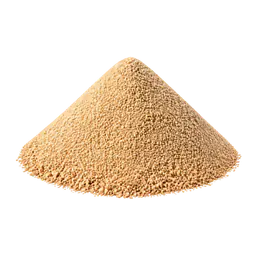
A paver patio uses sand in two distinct places, and they are not interchangeable. The bedding layer is a roughly one-inch bed of coarse sand you screed flat so each paver seats evenly. The joint layer is the finer sand swept into the gaps after the pavers are down, locking them against shifting. This page sizes both so you can buy them separately instead of guessing at a single pile.
Because the two layers do different jobs, they use different products and different amounts. Bedding sand is measured by volume across the whole area; joint sand is measured by surface coverage, since it only fills narrow seams. Keeping them on one worksheet means you order the right quantity of each in the same trip rather than running short on a Saturday afternoon.
This is the sand page, not the gravel base
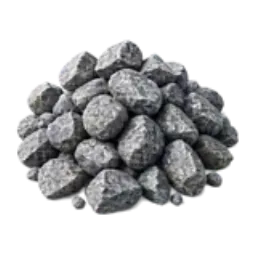
Under the bedding sand sits a compacted gravel sub-base, and that layer is not calculated here. If you need to size the crushed-stone or paver base gravel beneath the sand, use the paver base calculator instead, which estimates the gravel depth and compaction allowance for the foundation. This page deliberately stops at the sand so the numbers stay clean and you do not double-count materials.
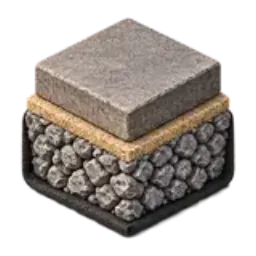
Think of the stack from the bottom up: compacted gravel base, then about one inch of screeded bedding sand, then the pavers, then joint sand swept into the seams. The paver base calculator covers the bottom gravel; this paver sand calculator covers the two sand layers above it. Run both for a full patio material list.
Choosing the right sand
For bedding, use a coarse, washed concrete sand or a manufactured bedding sand that drains and holds its shape under load. Avoid soft play sand or fine mason sand: both are too fine and rounded, so they hold water and let pavers settle unevenly over time. The grit and angularity of concrete sand are what keep your surface flat after the first few seasons.
For joints, regular joint sand works but washes out and grows weeds. Polymeric joint sand contains binders that harden when wetted, resisting washout and ants. It costs more and must be installed dry on a dry surface, but on most patios it is worth it. This calculator counts bags by coverage either way, so swap in your chosen product's coverage if it differs from the default.
Formula used
Bedding sand starts from area = length x width. Volume in cubic feet = area x (bedding depth in inches / 12), then multiplied by 1.10 for 10% waste. Cubic yards = cubic feet / 27, and tons = cubic yards x 1.35. Bags = tons x 2000 / bag weight, rounded up. Joint sand bags = area / coverage-per-bag, rounded up. Optional cost = cubic yards x bulk price.
Worked example with the defaults: a 12 ft x 10 ft patio is 120 sq ft. At 1 inch, bedding volume is 120 x (1/12) = 10 cu ft, plus 10% waste = 11 cu ft, which is 0.41 cu yd and about 0.55 tons, or 22 fifty-pound bags rounded up. Joint sand at 100 sq ft per bag is 120 / 100 = 1.2, rounded up to 2 bags. Bulk cost is 0.41 x $40, roughly $16.
Common mistakes
The most frequent error is screeding the bedding sand too thick to level a rough base. The sand bed is meant to be a consistent one-inch cushion, not a fix for an uneven gravel layer; a deep sand bed compresses and ruts. Correct grade problems in the gravel base first, then keep the sand shallow and even. A thicker bed also throws off the bag count this tool returns.
Two other mistakes: buying play or mason sand because it is cheaper, and skipping joint sand entirely. Fine sand fails under traffic, and unfilled joints let pavers wander. Also remember the 10% waste built in here is a minimum; tight cuts, slopes, and spillage can push real use higher, so round your purchase up rather than down.
From estimate to order
Bagged sand suits small patios and walkways where roughly twenty 50-pound bags are still manageable to haul. Once the bedding layer climbs past about a cubic yard, bulk delivery is usually cheaper and far less lifting, which is why this tool reports cubic yards and tons alongside bag counts. Use whichever unit your supplier quotes in and compare both on the same basis.
When you call a yard, give them the area, the bedding depth, and the cubic-yard figure, and ask their material's actual density, since it can differ from the 1.35 tons-per-yard default. Order joint sand by bag using your product's stated coverage. Treat the cost line as a rough planning number only, because local pricing and delivery fees vary.
Bedding sand for a 120 sq ft patio by depth (1.35 tons/cu yd, 10% waste)
| Bedding depth | Cubic yards | 50-lb bags |
|---|---|---|
| 0.5 in | 0.20 cu yd | 11 bags |
| 1 in | 0.41 cu yd | 22 bags |
| 1.5 in | 0.61 cu yd | 34 bags |
| 2 in | 0.81 cu yd | 44 bags |
Joint sand is separate: at 100 sq ft per bag, 120 sq ft needs 2 bags. Figures are planning estimates; supplier density and coverage vary.
Paver Sand Calculator FAQ
How much sand do I need for a 12x10 paver patio?
For a 120 sq ft patio with a 1-inch bedding layer and 10% waste, you need about 11 cubic feet of bedding sand, which is roughly 0.41 cubic yards, 0.55 tons, or 22 fifty-pound bags. You also need about 2 bags of joint sand at 100 sq ft of coverage per bag. Adjust if your bedding depth or product coverage differs.
What is the difference between bedding sand and joint sand?
Bedding sand is the coarse, roughly one-inch layer you screed flat for pavers to sit on, sized by volume across the whole area. Joint sand is the finer sand swept into the gaps after laying, sized by surface coverage. This calculator estimates both separately because they use different products and different amounts.
Can I use play sand or mason sand under pavers?
It is not recommended. Play sand and mason sand are too fine and rounded, so they hold water and let pavers settle unevenly over time. Use a coarse washed concrete sand or a manufactured bedding sand instead. The calculator's density default of 1.35 tons per cubic yard assumes a coarse bedding sand.
Do I need polymeric sand for the joints?
Polymeric sand is not required, but it resists washout, weeds, and ants better than regular joint sand because it hardens when wetted. It costs more and must go in dry on a dry surface. Either way, this tool counts joint-sand bags by coverage, so enter your chosen product's coverage if it is not 100 sq ft per bag.
Does this include the gravel base under the sand?
No. This page covers only the two sand layers: the bedding sand and the joint sand. The compacted gravel sub-base beneath the sand is a separate calculation. Use the paver base calculator to estimate that gravel depth and compaction allowance, then use this page for the sand on top of it.
How thick should the bedding sand layer be?
About 1 inch is standard for a screeded bedding layer, which is the default here. A bed much thicker than that compresses under traffic and lets pavers rut, so fix grade problems in the gravel base rather than burying them in deep sand. The calculator accepts depths from 0 to 4 inches if your project differs.
How this estimate is built
Formula
- Area = length x width.
- Bedding sand cubic feet = area x bedding depth in feet, plus waste.
- Cubic yards = cubic feet / 27; tons = cubic yards x density.
- Joint sand bags = area / coverage per bag, rounded up.
Inputs and assumptions
Editable inputs include Paver area length, Paver area width, Bedding sand depth, Waste, Sand density, Bag weight, Joint sand coverage, Bulk price. Defaults and calculation assumptions are listed in the Assumptions section and can be replaced with measurements or product-label data.
Sources and testing
Public density, coverage, package, and application references inform the defaults. Automated unit tests cover shared conversions and calculator logic; they do not validate site conditions, supplier labels, or project design.
Limits
Region, moisture, compaction, grading, waste, and supplier specifications can change the amount required. This is a planning estimate, not structural, safety, engineering, or professional construction advice.
Read the calculation methodology and sources and update policy.